

How Can You Tell Authentic 1920s Vintage Clothing?
Last Updated: November 14, 2026
Quick Summary
To identify authentic 1920s vintage clothing, check the silhouette, construction and closures together rather than relying on appearance alone. Look for a straight, low-waisted shape, narrow French seams, hand-rolled hems, and hooks, small buttons or tape ties instead of modern zippers.
- Authentic 1920s dresses usually have a straight, low-waisted line with the waist dropped to the hips.
- Narrow French seams and hand-rolled or hand-stitched hems point to an earlier date.
- Overlocked or serged seams and perfectly even machine hems are strong signs of a reproduction.
- Hooks and eyes, small buttons and tape ties suggest the period; plastic or invisible zippers do not.
- Ask for close-up photos of seams, linings and labels before you buy.
Table of Contents
- Why Authenticity Matters When Buying 1920s Clothing
- Start With Silhouette and Period-Appropriate Style
- 1920s Clothing Construction Details to Check
- 1920s Dress Reproduction vs Authentic: Telling Them Apart
- Reading Labels, Tags and RN Numbers
- Using a Vintage Clothing Label Database to Verify Makers
- A Step-by-Step Inspection Checklist for Fragile Garments
- Booking or Buying Your Verified 1920s Piece
- Frequently Asked Questions
Why Authenticity Matters When Buying 1920s Clothing
Buying a true 1920s vintage clothing garment is about more than owning a beautiful old thing. Victoria and Albert Museum fashion collection guidance shows that museum-grade dating depends on construction and materials, not appearance alone.
A reproduction can look right in photos and still fail as a vintage purchase. Sellers sometimes use "1920s-style" loosely, and buyers pay for an era they never receive.
Why it matters for you:
- You avoid paying vintage prices for modern garments.
- You can explain a piece's age to a bride, stylist or collector.
- Fragile originals stay in better condition when handled correctly.
Start With Silhouette and Period-Appropriate Style
The first clue is the overall shape. Authentic 1920s dresses usually have a straight, low-waisted line that hangs from the shoulders, with the waist dropped to the hips.
Hats follow a similar logic. The cloche is close-fitting with a deep crown, and it was worn low on the forehead.
A common mistake is judging 1920s vintage clothing by a single feature. A dropped waist can appear in modern "flapper" costumes, so look at the whole garment together.
1920s Clothing Construction Details to Check
Construction tells you more than style. Hand-finished details, simple fabric panels and visible structural choices often point to an earlier date than machine-made reproductions.
Seams, Hems and Finishing
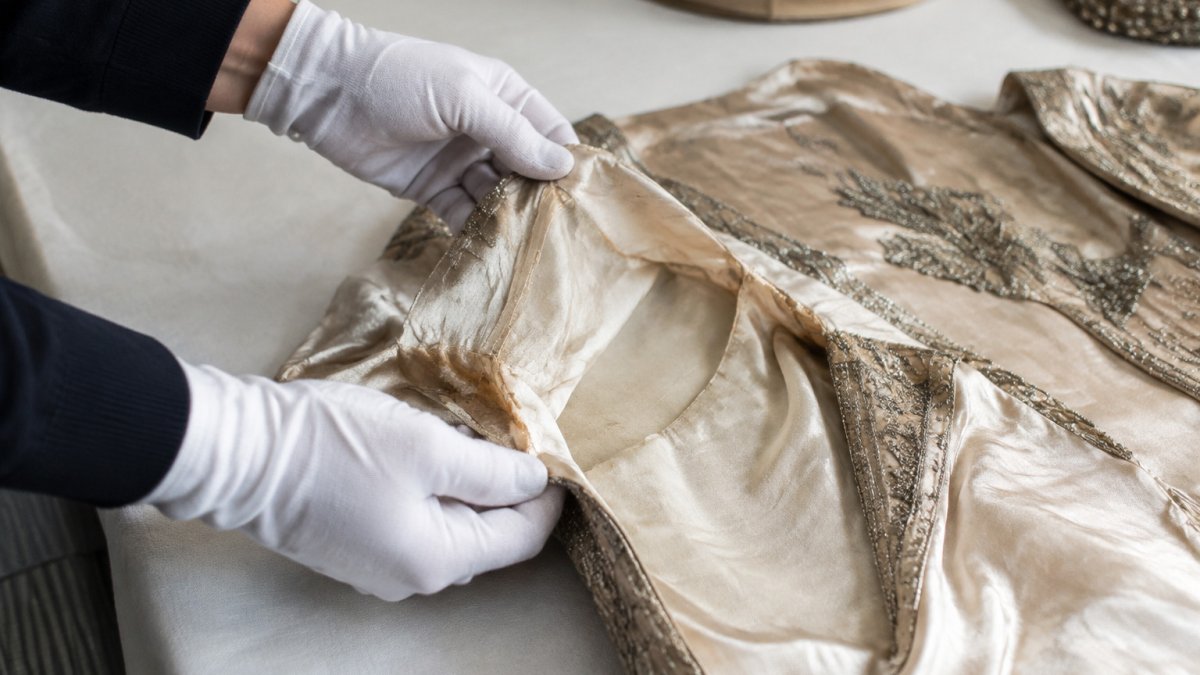
Look closely at seams and hems before anything else. Inside a true 1920s dress you may find narrow French seams, hand-rolled hems or thread that has aged unevenly with the fabric.
Check whether the hem is stitched by hand or machine. Uneven, slightly irregular stitches are normal in older pieces. Perfectly even machine stitching across every seam is a warning sign.
- Look for narrow, enclosed seams inside the garment.
- Check for hand-rolled or hand-stitched hems.
- Be cautious of overlocked or serged edges.
Closures, Fasteners and Linings
Closures help date a piece. Early garments often used hooks and eyes, small buttons or simple tape ties rather than zippers. Zippers were in use by the period, but modern plastic zippers or heavy metal zips inserted into a dress that otherwise looks early deserve a closer look.
Inspect the lining as well. Aged silk, rayon or cotton linings that show natural fading and wear are consistent with age. Bright, unworn synthetic linings suggest a later garment or a restoration.
Construction details give clear, checkable clues about whether a garment is genuinely early:
| Feature | 1920s original | Modern reproduction |
|---|---|---|
| Seams | Narrow French seams, hand finishing | Overlocked or serged edges |
| Hems | Hand-rolled or hand-stitched | Perfectly even machine stitching |
| Closures | Hooks and eyes, small buttons, tape ties | Plastic or invisible zippers |
| Lining | Natural fading and wear | Bright, unworn synthetic fabric |
1920s Dress Reproduction vs Authentic: Telling Them Apart
Most guides stop at "authentic looks worn, reproduction looks new." That test fails constantly, because a well-preserved 1920s dress can look crisp and a clever reproduction can be artificially aged. A more reliable approach is to sort the garment into one of three categories, a 1920s original, a later period garment (1930s-1970s) that mimics the style, or a modern reproduction, and then test the clues that separate those three.
The Three-Way Diagnostic
Work through the same features for each category and see which column the garment fits.
Silhouette and proportion
- 1920s original: straight, low-waisted tube; waist dropped to the hip; skirt at or just below the knee; narrow, unstructured bodice.
- Later period garment: 1930s pieces return to a defined waist and bias cut; 1950s "flapper" costumes exaggerate the drop waist and add full skirts; 1970s revival dresses often use a higher waist and looser fit.
- Modern reproduction: proportions scaled to modern bodies, longer torsos, higher armholes, and skirts that sit above the knee or far below it.
Construction and finishing
- 1920s original: narrow French seams, hand-rolled hems, hand-worked buttonholes, and simple two- or three-panel construction. Linings are often attached by hand at the waist or neck.
- Later period garment: machine overlocking appears from the 1930s onward; serged seams and fused interfacing become common by the 1950s-60s.
- Modern reproduction: overlocked or serged seams throughout, fusible interfacing, and machine-stitched hems that are perfectly even.
Closures and fasteners
- 1920s original: hooks and eyes, small covered buttons, tape ties, and early zippers on later-1920s pieces. Zipper tape is usually metal-toothed and set by hand.
- Later period garment: metal or nylon zippers set by machine; snap fasteners and elastic waistbands appear in later decades.
- Modern reproduction: plastic zippers, invisible zippers, and heavy metal zips inserted into a dress that otherwise looks early.
Fabric and fiber
- 1920s original: silk, rayon (often called "art silk"), cotton, wool, and early acetate. Fabrics drape softly and show even, natural aging.
- Later period garment: nylon and polyester appear from the late 1930s-40s onward; these fibers feel slicker and resist aging.
- Modern reproduction: polyester and synthetic blends that look uniformly new or have an artificial, painted-on aging effect.
Labels and markings
- 1920s original: often unlabeled; when labeled, the tag is woven or printed on silk or cotton tape with a simple maker name. Care labels are rare before the 1960s.
- Later period garment: printed care labels, fiber-content labels, and RN numbers become common from the 1960s onward.
- Modern reproduction: modern care labels, country-of-origin tags, and fabricated vintage-style tags that do not match known maker records.
Weighing the Evidence
No single clue settles the question. A garment that shows 1920s seams but a modern zipper is likely a later alteration or a reproduction built from period patterns. A piece with a period label but modern lining may be a restored original.
Watch out: sellers sometimes describe a 1930s or 1970s revival dress as "1920s style," which is technically true but not the same as a 1920s original.
Reading Labels, Tags and RN Numbers
Labels can be helpful, but they can also mislead. Many garments have no label at all, and some reproductions carry fabricated tags.
RN numbers, which are Registered Identification Numbers issued in the United States, can point to a manufacturer. Record the number exactly as printed.
Missing labels are common in genuine vintage, so do not reject a piece only because it has none.
Using a Vintage Clothing Label Database to Verify Makers
Once you have a label or RN number, a reference database can help you find the maker and approximate date. Databases of historical labels and registrations are useful for cross-checking, especially when a seller names a brand you do not recognize.
Match the label design, typeface and listed years against the garment. A maker that operated only in later decades cannot have produced a piece you believe is from the 1920s.
A Step-by-Step Inspection Checklist for Fragile Garments
Old clothing rewards careful handling. Work on a clean, flat surface with clean, dry hands, and never pull on seams or fabric to test them. The checklist below is built for fragile pieces and adds the fiber tests and internal construction checks that most guides leave out.
Before You Touch the Garment
- Photograph the whole garment first, front, back, inside, and any label, so you can compare details later without rehandling it.
- Note the seller's claims (era, maker, alterations) so you can test each one against the evidence.
- Set up good light, daylight or a bright neutral lamp, because color, thread, and fiber clues are easy to miss in dim light.
External Inspection
- Check the silhouette against period photographs and fashion plates. A 1920s dress should read as a straight, low-waisted tube; a cloche should sit low and close to the head.
- Inspect the seams for narrow French seams, hand finishing, and uneven thread aging. Overlocked or serged edges point to a later date.
- Examine the hem for hand-rolled or hand-stitched finishing and for wear that matches the rest of the garment.
- Look at closures, hooks and eyes, small buttons, tape ties, and early metal zippers are consistent with the period; plastic or invisible zippers are not.
- Read the lining for natural fading and wear rather than bright, unworn synthetic fabric.
Internal Construction Clues
- Turn the garment inside out and check how the lining is attached. Hand-set linings at the waist or neck are a strong period signal; machine-set linings throughout suggest a later garment or a restoration.
- Look for seam allowances, 1920s garments often have narrow allowances and simple two- or three-panel construction; later garments add darts, facings, and interfacing.
- Check for alterations, replaced zippers, added darts, let-out seams, and mixed-era components. A garment can be old but altered later, so note any part that does not match the rest.
Safe Fiber and Material Testing
Fragile textiles do not tolerate burn tests or harsh chemicals. Use non-destructive methods instead:
- Feel and drape the fabric in your hand without stretching it. Silk and rayon drape softly and cool to the touch; polyester feels slicker and springs back.
- Look at the weave under raking light, a phone flashlight held at a low angle reveals fiber texture and sheen without touching the fabric.
- Check a hidden seam allowance for fiber content by gently separating a few threads, rather than cutting into the garment.
- Smell the fabric at a distance, aged natural fibers often have a faint musty or papery scent, while new synthetics smell neutral or chemical.
Watch out: never perform a burn test on a fragile or potentially valuable garment. It is destructive, and a single scorch mark can reduce a period piece's value. If fiber identification matters, consult a textile conservator rather than testing the garment yourself.
Weighing Your Clues
- Score each clue as consistent with the 1920s, consistent with a later period, or consistent with a modern reproduction.
- Treat the majority as your working hypothesis and look for one or two confirming details before you buy.
- Ask for provenance, ownership history, receipts, or photographs of the piece in use, and treat undocumented claims as unconfirmed rather than false.
For safe handling of delicate textiles during inspection, Smithsonian guidance on caring for historic textiles explains how conservators approach fragile pieces.
Booking or Buying Your Verified 1920s Piece
Once you know what to look for, you can shop with more confidence.
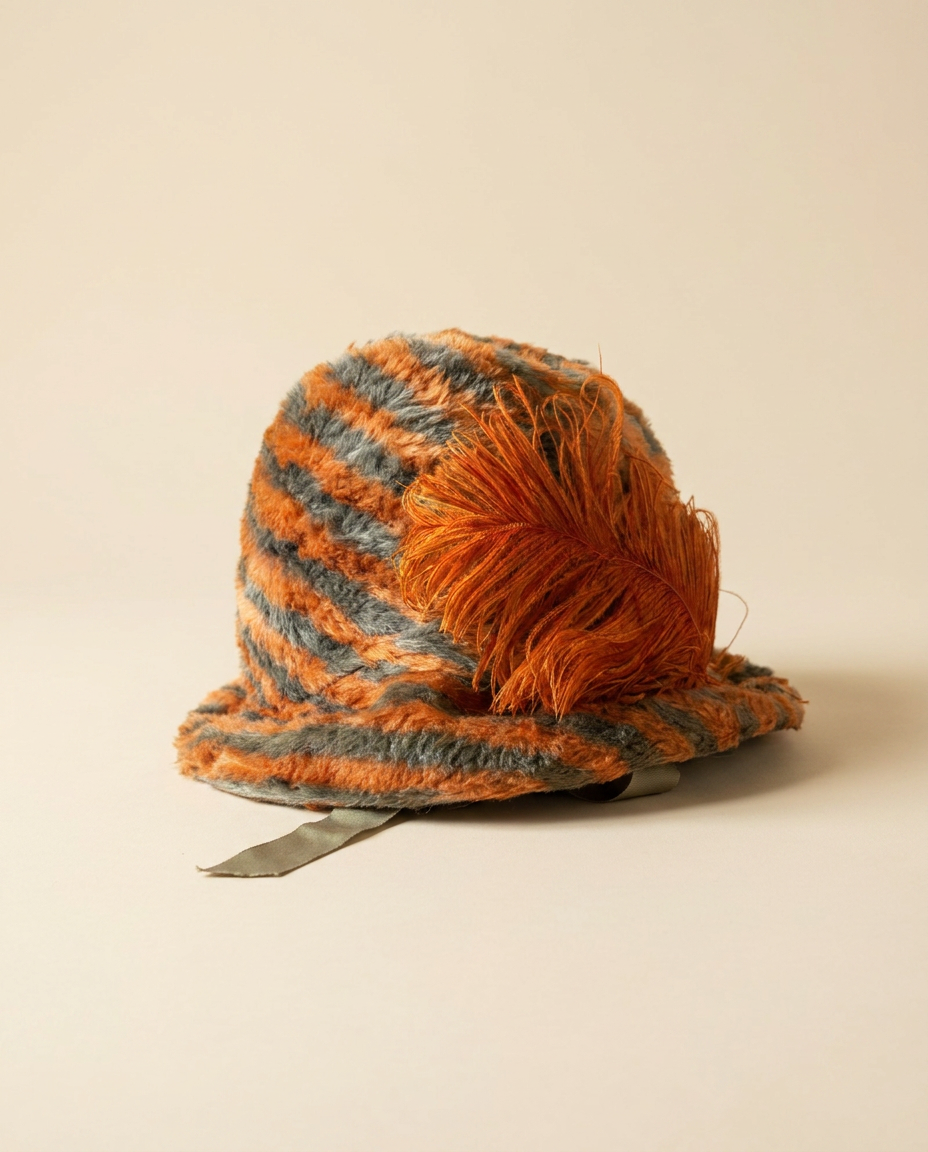
Our cloche for winter styling is a strong example of Art Deco millinery. The Vintage 1920s Cloche Hat | Orange & Gray Striped Faux Fur Hat | Art Deco Winter Hat | Flapper Style Cloche | Statement Vintage Millinery is listed in very good vintage condition with light, age-appropriate wear.
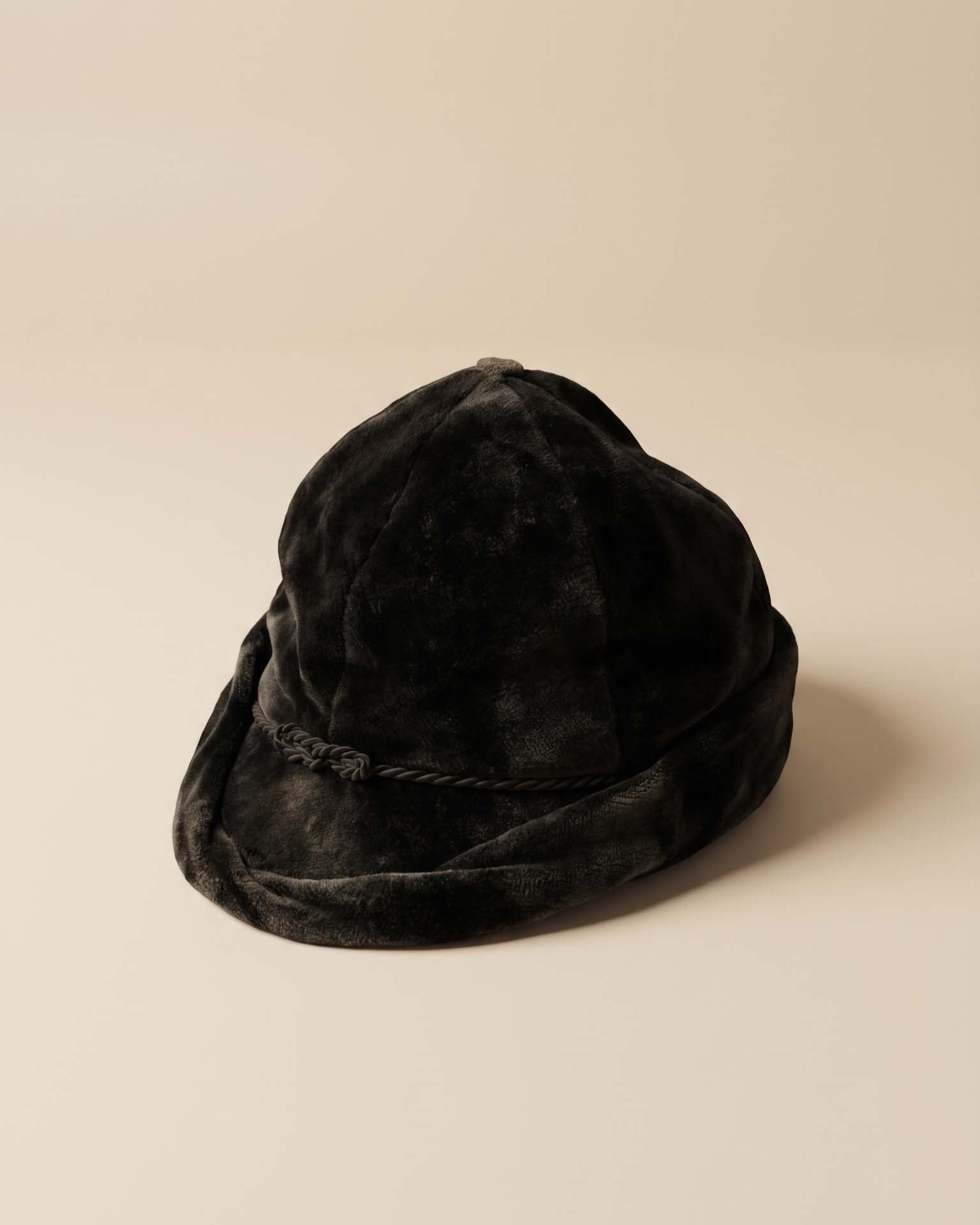
If you prefer a deeper tone, our Antique 1930s Dark Brown Black Velvet Hat Paneled Crown Rolled Brim Braided Cord Women's Art Deco Vintage Millinery shows the transition from late 1920s silhouettes into early 1930s styling.
Before you buy, ask for close-up photos of seams, linings and any labels.
Frequently Asked Questions
How to tell if vintage clothing is authentic?
Look at several clues together rather than one. Check the silhouette against 1920s styles such as the dropped waist and straight drop, examine the construction for hand-finished seams and narrow hems, and read the label and fabric. A single feature can be faked or may have been altered later, but a garment that matches the period on construction, fabric and finishing is far more likely to be genuine. Note any mismatches and consider a textile conservator if the piece is valuable.
What details distinguish an authentic 1920s dress from a reproduction?
Authentic 1920s dresses often show hand-sewn or narrow French seams, fasteners such as small hooks, snaps or covered buttons of the period, and linings made of silk or cotton rather than modern synthetics. Reproductions frequently use machine overlock stitching, zippers where none would have been used, and fabrics with a uniform, modern hand. Compare the 1920s clothing construction details against the garment in front of you before drawing a conclusion.
Can an RN number tell you when a garment was made?
An RN number identifies the registered manufacturer or seller of a garment, not the year it was made. Because the number belongs to a company, it can help you find out which firm produced the piece and roughly when that firm was active. Combine that information with the label style, fabric and construction to date the item. Use a vintage clothing label database to cross-check the maker, and treat the RN as one clue among several.
What should you check before buying a 1920s vintage dress?
Before buying, check the silhouette, seams, hem, closures, lining and label, and ask the seller for measurements and clear photographs of the interior. Look for wear at stress points such as underarms and the back opening, and check whether the fabric has been repaired or altered. Ask whether any parts are mixed-era components. A seller who documents the condition and the basis for dating the piece gives you a much stronger basis for confidence.
